

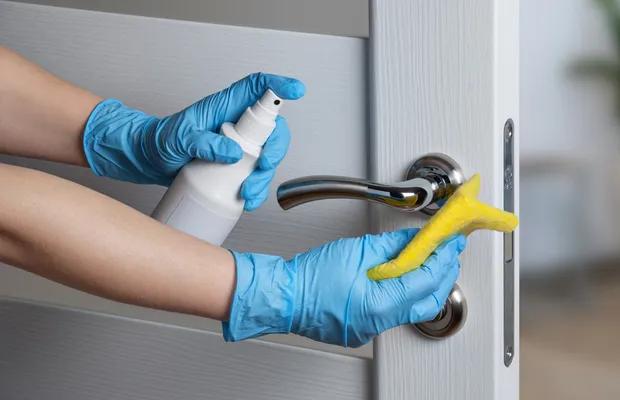
Moving out of a rental property can be stressful for both tenants and landlords. One of the most important steps in the process is end of tenancy cleaning. Done properly, it helps tenants secure their deposit and ensures landlords can prepare the property quickly for new occupants.
This comprehensive guide explains responsibilities, checklists, and best practices for both parties.
What Is End of Tenancy Cleaning?
End of tenancy cleaning is a deep and thorough cleaning of a rental property before a tenant moves out. Unlike regular weekly cleaning, this process focuses on restoring the property to the condition it was in at the start of the tenancy (allowing for fair wear and tear).
It typically includes:
Deep cleaning of kitchens and bathrooms
Cleaning inside appliances and cupboards
Washing walls and doors
Carpet and upholstery cleaning
Removing limescale, stains, and grime
For Tenants: How to Secure Your Deposit
For tenants, the main goal is simple — get your full deposit back.
1. Check Your Tenancy Agreement
Review your contract carefully. Some agreements specify:
Professional cleaning requirements
Carpet cleaning obligations
Garden maintenance expectations
Make sure you understand what is required before handing over the keys.
2. Use the Inventory Report
At the start of your tenancy, you likely received an inventory report. Compare the property's current condition to that document.
Focus on:
Stains on carpets
Marks on walls
Damaged fixtures
Missing items
If possible, take dated photos after cleaning as proof.
3. Room-by-Room Cleaning Checklist
Kitchen
Clean oven, hob, and extractor fan
Degrease tiles and splashbacks
Empty and wipe cupboards inside and out
Defrost and clean fridge/freezer
Sanitize sink and taps
Bathroom
Remove limescale from taps and showerheads
Scrub tiles and grout
Clean toilet thoroughly
Polish mirrors and glass surfaces
Living Areas & Bedrooms
Vacuum carpets and mop hard floors
Wipe skirting boards and doors
Clean inside wardrobes
Remove cobwebs
Windows
Clean interior windows
Wipe window sills and frames
4. Professional vs DIY Cleaning
Hiring professional cleaners can:
Save time
Ensure thorough results
Provide receipts for proof
In some areas like London or New York City, professional end-of-tenancy cleaning services are commonly used due to strict rental standards.
However, if you are confident and have time, a detailed DIY clean can be sufficient.
For Landlords: Protecting Your Investment
For landlords, proper cleaning ensures:
Faster tenant turnover
Positive reputation
Reduced disputes
1. Be Clear in the Tenancy Agreement
Clearly outline cleaning expectations, including:
Required standard of cleanliness
Whether professional cleaning is necessary
Consequences for not meeting standards
Transparency reduces misunderstandings.
2. Conduct a Detailed Check-Out Inspection
Compare the current condition with the original inventory report.
Focus on:
Excessive dirt vs fair wear and tear
Damage vs normal use
Missing items
If deductions are needed, provide evidence (photos and invoices).
3. Fair Wear and Tear vs Damage
Landlords cannot deduct for:
Faded paint
Light carpet wear
Minor scuffs
But they can deduct for:
Stains and burns
Broken fixtures
Heavy grime buildup
Understanding the difference is crucial for avoiding disputes.
Common Disputes and How to Avoid Them
Many disputes arise from:
Unclean ovens
Limescale in bathrooms
Stained carpets
Poor communication
To prevent issues:
Keep written communication
Share inspection reports promptly
Agree on cleaning expectations early
In countries like the United Kingdom, tenancy deposit protection schemes help resolve disagreements between landlords and tenants.
Estimated Costs of End of Tenancy Cleaning
Costs vary depending on:
Property size
Location
Condition
Typical price ranges:
Studio/1-bedroom: Moderate cost
2–3 bedroom home: Higher cost
Larger properties: Premium cost
Always request a clear quote covering:
Appliances
Carpets
Windows
VAT (if applicable)
Final Tips for a Smooth Move-Out
For Tenants
✔ Start cleaning early
✔ Fix small issues before inspection
✔ Keep receipts and photos
✔ Attend the check-out inspection if possible
For Landlords
✔ Be realistic about wear and tear
✔ Maintain proper documentation
✔ Respond quickly to disputes
✔ Prepare property promptly for new tenants
Conclusion
End of tenancy cleaning is more than just tidying up — it’s about restoring a property to an agreed standard. When both tenants and landlords understand their responsibilities, the move-out process becomes smoother, faster, and less stressful.
Clear communication, documentation, and attention to detail are the keys to avoiding deposit disputes and ensuring a positive rental experience for everyone involved.